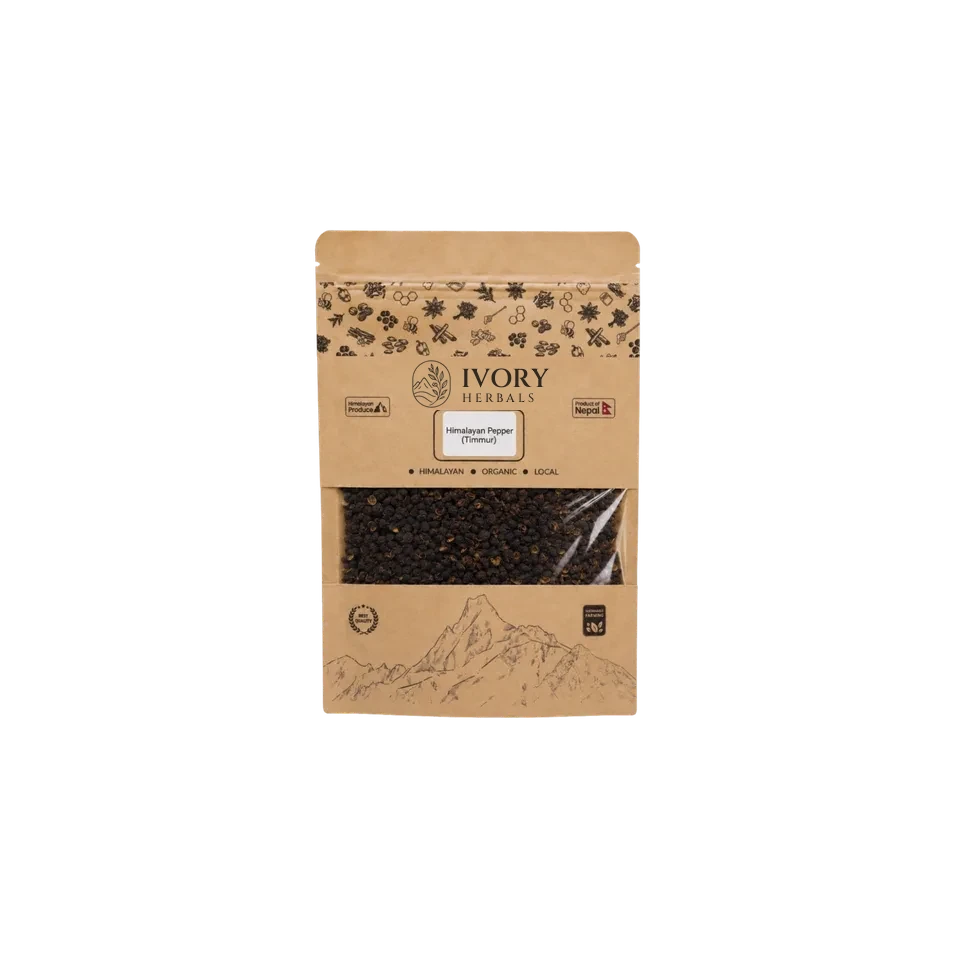
Himalayan Sichuan pepper
Himalayan Timur
WholesaleBulkPrivate label
Timur and Sichuan pepper are close relatives: both are the dried fruit husks of Zanthoxylum shrubs, and both produce the tingling, numbing sensation associated with the compound hydroxy-alpha-sanshool. Nepal timur, usually Zanthoxylum armatum, is known for a bright, grapefruit-like citrus aroma, while classic red Sichuan pepper is generally described as warmer and woodier. For buyers, the choice comes down to flavor profile, cuisine and supply.
By the Ivory Herbals team · October 4, 2026 · 6 min read
Neither timur nor Sichuan pepper is related to black pepper. Both come from plants in the Zanthoxylum genus, part of the citrus family, and the part used in cooking is the dried husk around the seed. The black seeds inside are gritty and usually removed.
Both spices contain sanshools, which create the characteristic tingle on the lips and tongue. That shared sensation is why chefs sometimes treat them as substitutes, but the aroma of each is distinct enough that the swap changes the dish.
Sichuan pepper is a trade name that covers several Zanthoxylum species grown in China, including the red type most associated with Sichuan cooking and green types. Timur is the Nepali name for the Zanthoxylum species grown in the hills of Nepal.
For restaurants, timur works well where you want tingle with a fresher citrus lift. It suits chutneys, momo dipping sauces, marinades, spice rubs, pickles and cocktails. Toasting lightly and grinding just before use brings out the most aroma.
Chefs serving Nepali, Himalayan or Indian food often prefer timur for authenticity. Kitchens running Sichuan menus may still use timur in specials, or blend both for a layered effect.
For spice brands, timur is a point of difference in a market where Sichuan pepper is already familiar. It fits single-origin spice lines, finishing salts, chili crisps, spice blends and gift sets. A clear origin story and tasting notes help shoppers understand why it differs from the Sichuan pepper they may already know.
Label it accurately: timur, Nepal pepper or Zanthoxylum armatum are clearer than calling it Sichuan pepper, which can confuse buyers and invite complaints about flavor expectations.
Quality varies a lot between lots of timur. Before you commit to a supplier, check the following points and ask for samples.
Because Zanthoxylum is part of the citrus family, U.S. agricultural import rules have historically treated these spices with care, and Sichuan pepper imports were restricted for many years over plant-disease concerns. Requirements can change, so if you import directly, check current USDA APHIS rules. Buying from a supplier that already holds stock in the U.S. removes that step for you.
Store timur whole in airtight packaging, away from heat and sunlight, and grind in small batches. The volatile oils that give timur its citrus aroma fade with time and exposure to air.
Restaurants and spice brands get more consistent results when they put their expectations in writing. A short specification avoids surprises between the sample and the bulk order and makes it easier to compare suppliers.
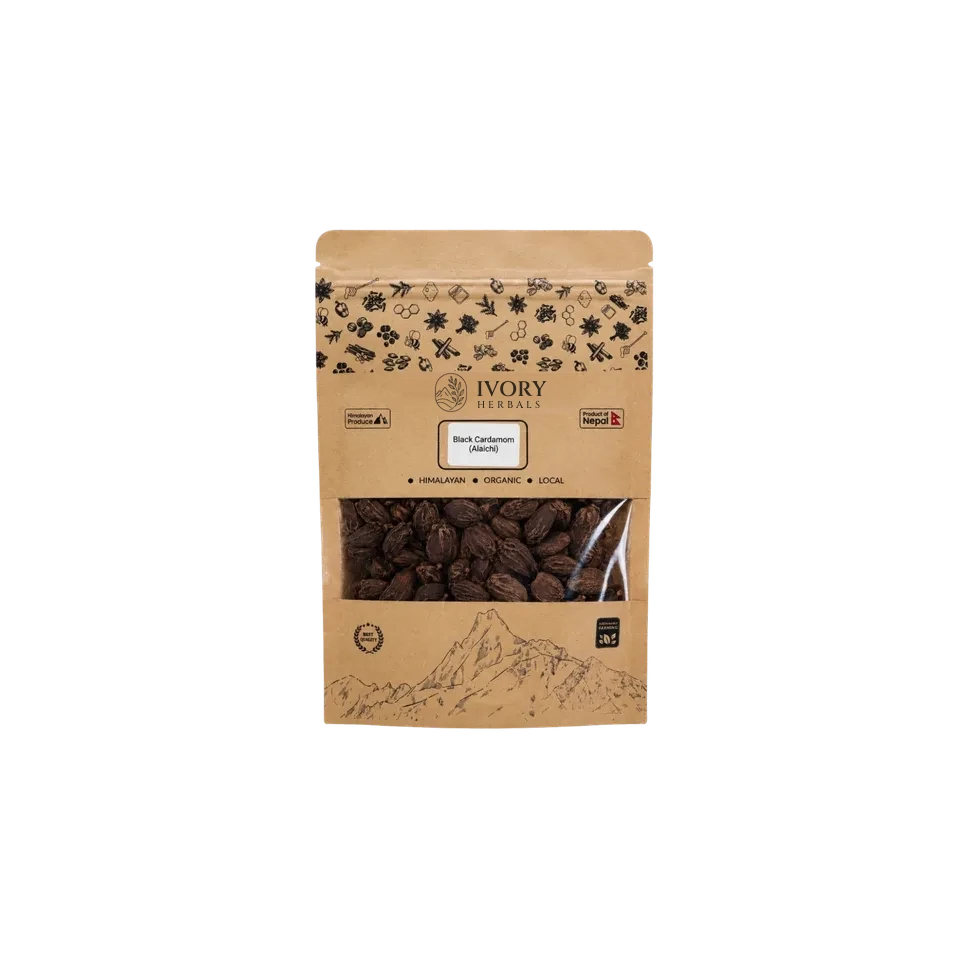
If you are building a blend or a retail spice line, request a sample from the current lot and test it in your actual recipe before ordering. Timur is often paired with other Himalayan spices; Himalayan black cardamom, with its smoky aroma, is a common companion in Nepali cooking and in spice gift sets.
Ivory Herbals LLC, based in Dallas, Texas, supplies Himalayan timur and Himalayan black cardamom wholesale and in bulk. All products are stocked in Dallas, TX inventory and ship U.S.-to-U.S., so restaurants and brands can reorder without waiting on international freight. Private label and white label are available, and quotes are returned within 48 business hours.
They are close relatives in the Zanthoxylum genus and share the tingling sensation, but timur from Nepal has a brighter, grapefruit-like citrus aroma, while red Sichuan pepper is warmer and woodier.
Yes, in most recipes, though the flavor will be more citrusy. Many chefs use timur when they want a fresher, brighter tingle.
Whole husks hold their aroma longer. Grind in small batches just before use for the best flavor.
Yes. Ivory Herbals stocks Himalayan timur in Dallas, TX inventory and ships U.S.-to-U.S. for restaurants, spice brands and retailers.
Create a business account in two minutes. Send inquiries right away; prices unlock once you are approved.