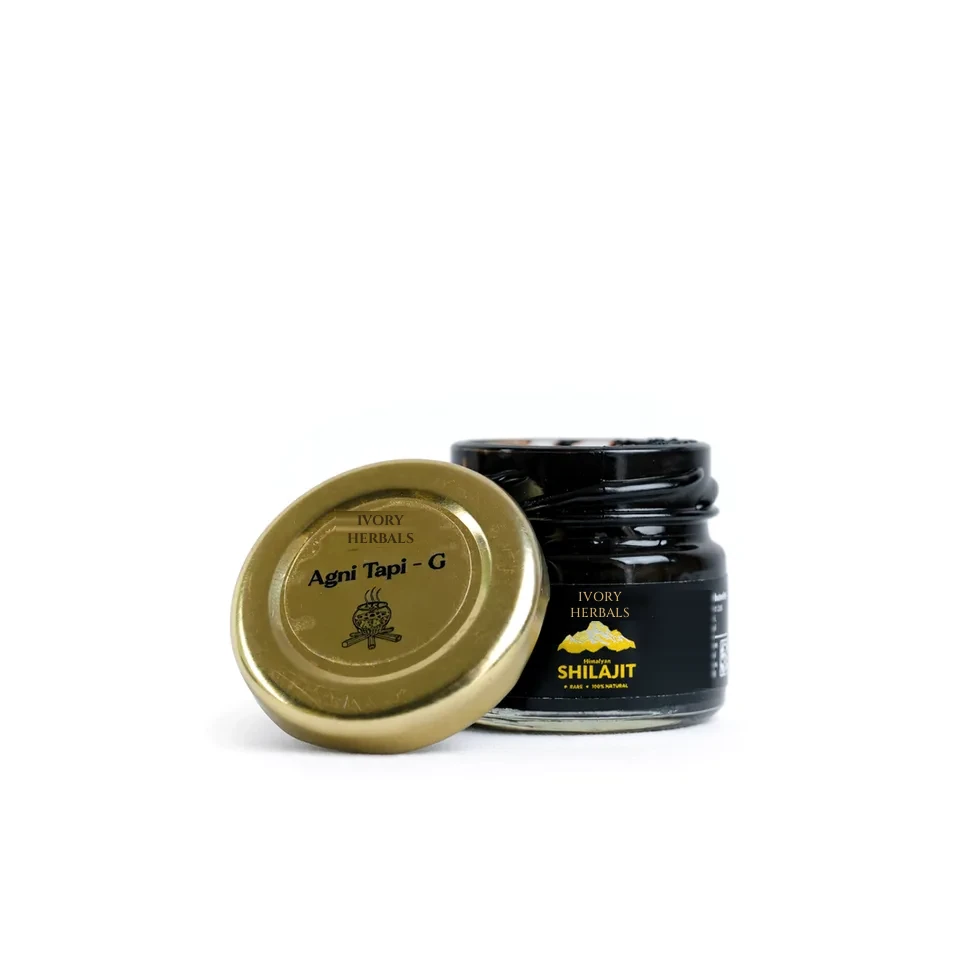
Pure shilajit resin
Himalayan Shilajit · Gold Grade
WholesaleBulkPrivate labelWhite label
A structure/function claim describes how a nutrient or ingredient affects the normal structure or function of the body, such as "supports a healthy immune system." A disease claim says a product treats, cures, mitigates or prevents a disease. Dietary supplements may make truthful, substantiated structure/function claims with the DSHEA disclaimer, but not disease claims. This article is general information, not legal advice.
By the Ivory Herbals team · October 4, 2026 · 8 min read
The Dietary Supplement Health and Education Act of 1994 (DSHEA) allows dietary supplement labels to carry structure/function statements, provided they are truthful and not misleading. The company must have substantiation, must include a required disclaimer and must notify FDA within 30 days of first marketing a product with the claim.
Advertising, including websites, social media and marketplace listings, is also overseen by the Federal Trade Commission, which requires health claims to be backed by competent and reliable scientific evidence.
In practice, that means two regulators look at the same words from different angles. FDA focuses on whether a label statement is a permitted structure/function claim or an unapproved disease claim. The FTC focuses on whether the claim, wherever it appears, is truthful and adequately supported. A statement can satisfy one test and still fail the other.
When a supplement label includes a structure/function claim, it must carry this disclaimer, typically linked by an asterisk: "This statement has not been evaluated by the Food and Drug Administration. This product is not intended to diagnose, treat, cure, or prevent any disease."
The disclaimer does not make a disease claim acceptable. If the wording itself implies treating a disease, adding the disclaimer will not fix it.
On a label, the disclaimer must appear on each panel where a structure/function claim appears, linked by a symbol such as an asterisk, or in a box on the same panel. It must be prominent and in a type size of at least one-sixteenth of an inch. Websites and listings commonly repeat it next to the claim as well. Check the exact formatting requirements in FDA's regulations before you finalize artwork.
The examples below illustrate the type of wording FDA has described as structure/function. They are examples of format only. They are not claims about any Ivory Herbals product, and any claim you use must be supported for your specific product and serving size.
These examples show the type of wording that crosses into disease claims, which supplements may not make. They are listed only so you can recognize and avoid them. Notice that many of them mention a specific disease, a measurable clinical marker or replacement of a medicine.
A claim does not need to name a disease to be a disease claim. Product names, images, testimonials, hashtags and links to studies about a disease can all imply one. A photo of a heart monitor next to a supplement, or a customer review saying "it fixed my diabetes" shared by the brand, can be treated as a disease claim.
Resellers should be careful with copied content. Repeating a brand's claims on your own shelf talker, website or social post makes you responsible for that wording too.
The FTC's Health Products Compliance Guidance explains that health-related advertising claims generally need competent and reliable scientific evidence, often high-quality human clinical testing, that matches the product, dose and claim. Studies on a different ingredient, a much higher dose or in animals may not support a consumer claim.
Traditional use statements should be framed as history, not as proof of an effect. "Traditionally used in Ayurveda" describes a practice; it does not establish that the product works.
Substantiation should be in place before a claim is made, not gathered after a complaint. Keep a claims file for each product with the exact wording used, where it appears, the evidence relied on and who approved it. If you update the formula or serving size, review the file, because evidence for one dose may not support another.
Testimonials and influencer posts follow the same rules. If a brand shares a customer review or pays a creator, the claims in that content are treated as the brand's own, and material connections must be disclosed.
Many resellers find they do not need health claims at all. Factual descriptions are lower risk and still sell well.
Ivory Herbals LLC, based in Dallas, Texas, does not make disease or medical claims about any product. For private label and white label clients ordering, the brand owner is responsible for its own label and marketing, and we recommend a review by a qualified regulatory advisor before printing or publishing. Send an inquiry for a quote within 48 business hours.
A statement describing how an ingredient affects the normal structure or function of the body, without referring to a disease. It requires substantiation and the DSHEA disclaimer.
No. The disclaimer is required for structure/function claims but does not make a disease claim acceptable.
Yes. The company must notify FDA within 30 days of first marketing a supplement with a structure/function claim. This is general information, not legal advice.
Retailers can be responsible for claims they repeat on shelf talkers, websites or social posts. Stick to factual product descriptions.
Create a business account in two minutes. Send inquiries right away; prices unlock once you are approved.