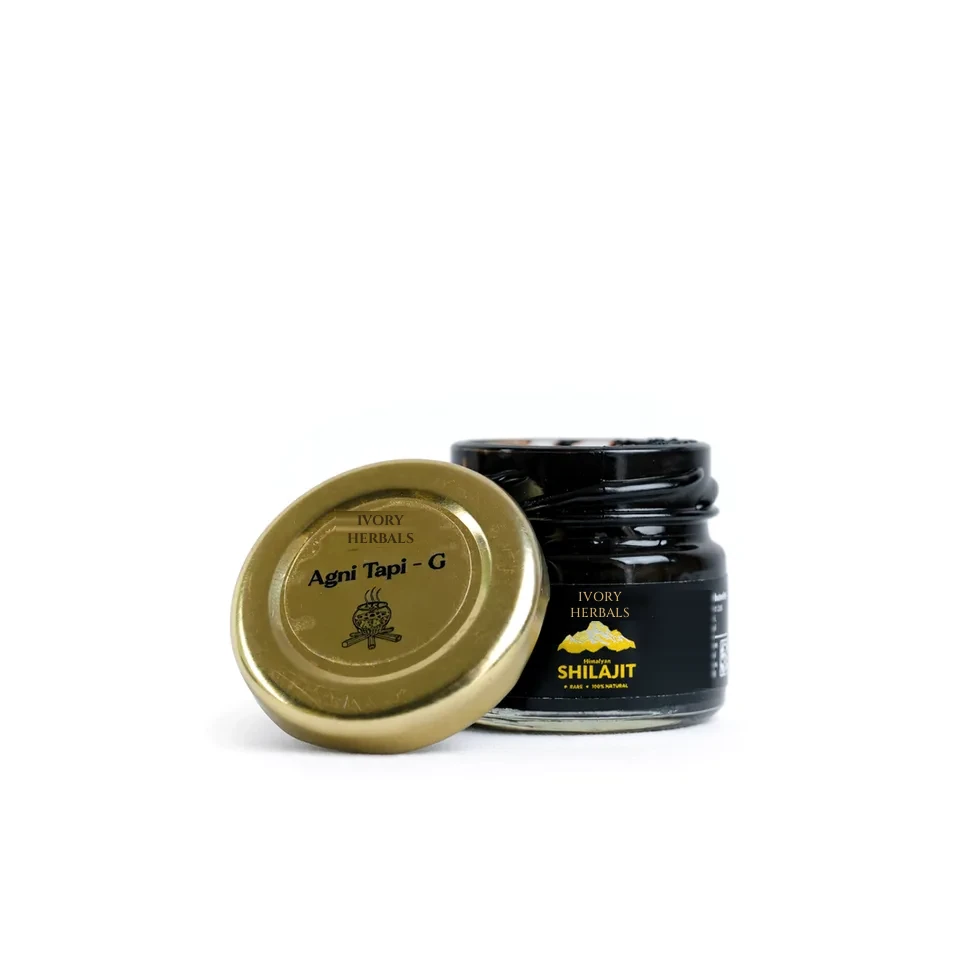
Pure shilajit resin
Himalayan Shilajit · Gold Grade
WholesaleBulkPrivate labelWhite label
A shilajit COA (certificate of analysis) is a lab report showing what a specific batch was tested for and what the results were. Before buying wholesale, check that the report matches the lot you will receive, comes from an accredited lab, and covers heavy metals (lead, arsenic, cadmium, mercury), microbial contamination and the identity or fulvic acid method the supplier uses.
By the Ivory Herbals team · October 4, 2026 · 7 min read
A certificate of analysis is a batch-level document. It reports the results of specific tests run on a specific lot of material, usually identified by a lot or batch number and a sample date. It is not a certification of the brand, a guarantee about future lots, or a government approval. The FDA does not approve dietary supplements before they are sold, so a COA is one of the main tools a wholesale buyer has for checking what is actually in the jar.
Shilajit is a natural resin that forms in mountain rock and is purified by the supplier before sale. Because it is mineral-rich and comes from the ground, contaminant testing matters more for shilajit than for many other botanicals. A useful COA tells you what was tested, by which method, against which limit, and whether the lot passed.
Before reading a single result, confirm the document itself is credible. Many problems with supplier paperwork show up in the header rather than in the numbers.
The heavy metals panel is the most important section of a shilajit lab report. The four elements most buyers look for are lead (Pb), arsenic (As), cadmium (Cd) and mercury (Hg), typically measured by ICP-MS and reported in parts per million (ppm) or parts per billion (ppb).
A concentration on its own does not tell you whether a product is acceptable. What matters for a finished product is the amount a consumer takes in per day, which depends on the serving size. A common industry reference is USP General Chapter 2232, which sets permitted daily exposure figures for elemental contaminants in dietary supplements. To compare a result against a daily figure, multiply the concentration by the daily serving: for example, 0.5 ppm lead in a 0.5 g daily serving equals 0.25 micrograms of lead per day.
If you sell into California, the per-day exposure also matters for Proposition 65, which uses its own exposure thresholds for lead and other listed chemicals. Ask your supplier or a compliance advisor how a given result relates to the warning requirements for your label. This article is general information, not legal advice.
Fulvic acid content is the number shilajit buyers ask about most, but it is also the easiest to misread. Different labs use different methods, and results from one method are not directly comparable with another. A figure like 60% from one supplier and 20% from another may reflect different test methods rather than different material.
When a COA reports fulvic acid, ask which method was used and whether the same method is used on every lot. Consistency over time is more useful to a brand than a single high number. Also be careful about how you use the figure on your own label or listing: a stated percentage is a factual claim that needs to be supported by testing on the product you sell.
Because shilajit is a natural material that is collected, purified and dried, microbial testing is a standard part of a complete report. Typical panels include total aerobic plate count, yeast and mold, and specific pathogens such as E. coli, Salmonella and Staphylococcus aureus, which should be reported as negative or not detected in the sample size tested.
Depending on the format and your channel, you may also see moisture or loss on drying, residual solvents, pesticide screens or physical characteristics such as color and solubility. Not every report will include every test; the point is to know which ones you need for your label, your retailer and your marketplace.
A few patterns should prompt more questions before you place a wholesale order. None of them prove a problem, but each one weakens the value of the document.
Ivory Herbals LLC is a Dallas, Texas wholesaler. Lab reports for our shilajit products and for Himalayan Wild Cliff Honey are available to approved wholesale buyers, and all products are stocked in Dallas, TX inventory and ship U.S.-to-U.S. If you are building your own line, our private label shilajit is made in an ISO 22000 / GMP-certified partner facility.
To request documentation, apply for a wholesale account or send an inquiry; we return quotes within 48 business hours, and approved buyers can see prices in the wholesale portal. Many brands also commission their own third-party testing on finished goods, which we encourage, especially for marketplace listings.
COA stands for certificate of analysis. It is a batch-specific lab report listing the tests run on a lot of shilajit, such as heavy metals, microbial counts and fulvic acid, along with the results and limits.
At minimum, lead, arsenic, cadmium and mercury, each with its own result, unit and detection limit. Convert results to per-serving exposure using your planned serving size before comparing them with reference limits.
Only if both reports use the same test method. Different methods can produce very different numbers for similar material, so ask which method was used before comparing.
Yes. Lab reports for shilajit and Himalayan Wild Cliff Honey are available to approved wholesale buyers. Apply for a wholesale account or send an inquiry to request them.
Create a business account in two minutes. Send inquiries right away; prices unlock once you are approved.