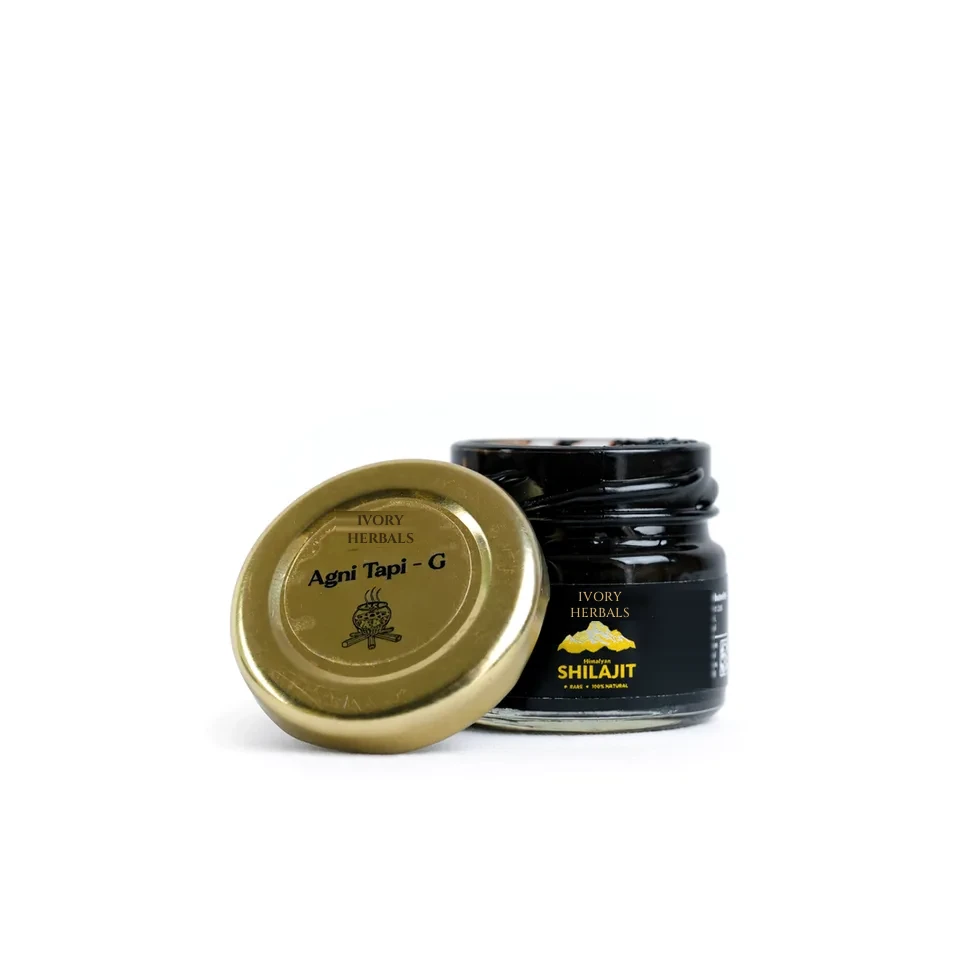
Pure shilajit resin
Himalayan Shilajit · Gold Grade
WholesaleBulkPrivate labelWhite label
To start a private label supplement brand, pick a product with real demand, choose a supplier with GMP manufacturing and documentation, design a compliant label, then launch on Shopify, Amazon or both. With Ivory Herbals, private label orders are available, which keeps the first run manageable while you test the market.
By the Ivory Herbals team · October 4, 2026 · 8 min read
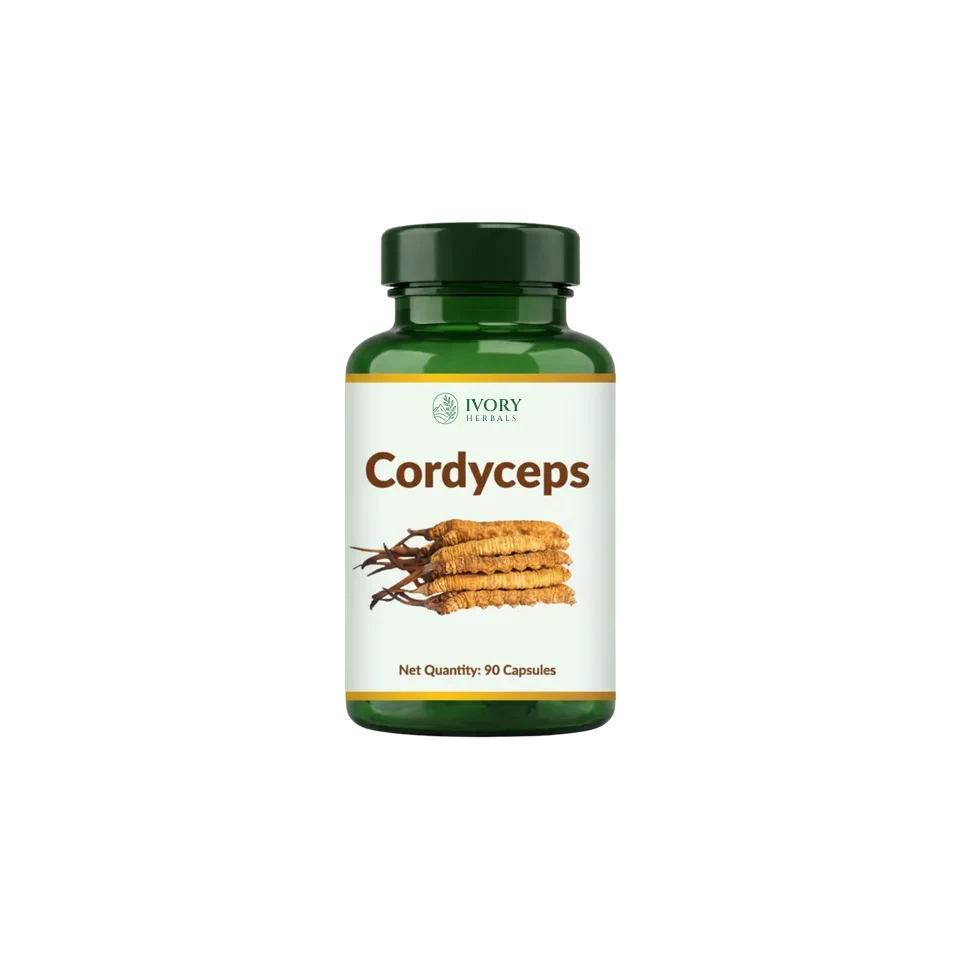
Start with one product you can explain clearly and that has steady search demand, such as shilajit resin, ashwagandha capsules or a mushroom capsule like Cordyceps CS-4 or reishi. A focused launch is easier to fund, photograph and advertise than a full line.
Look at who already sells the product, what their reviews complain about and how you would be different: origin story, format, packaging or audience. Your difference should be something you can prove, not a stronger health claim.
Check that the product category is open to you on your chosen channels. Some supplement categories need extra approval on Amazon, and some payment processors and ad platforms apply stricter review to certain ingredients. Knowing this before you order avoids holding inventory you cannot list. Also consider how the product photographs and ships: resins, powders and capsules each have different packaging, breakage and heat considerations.
White label usually means taking an existing formula and adding your brand. Private label can include more customization of packaging and presentation. Both let you launch without building a factory, and both still make you the brand owner responsible for your label and marketing.
Ivory Herbals offers private label and white label, with products made in an ISO 22000 / GMP-certified partner facility and stocked in Dallas, TX inventory.
A dietary supplement label in the U.S. generally needs a statement of identity (for example "Dietary Supplement"), net quantity, a Supplement Facts panel, an ingredient list where required, and the name and U.S. place of business of the manufacturer, packer or distributor. Many brands also include a domestic address or phone number for adverse event reports.
If you include a structure/function statement, you need the DSHEA disclaimer and must notify FDA within 30 days of first marketing. Have the final artwork reviewed by a qualified regulatory advisor before printing. This is general information, not legal advice.
Shopify gives you control of your brand, pricing and customer data. Build product pages that describe origin, ingredients, format and directions, and use the same wording that appears on your label. Add clear shipping and return policies and keep a copy of your supplier documentation in case a payment processor or ad platform asks for it.
Ad platforms review supplement ads closely. Avoid before-and-after imagery and disease or weight-loss language in ads and landing pages.
Email and organic content tend to work well for supplement brands because they let you explain sourcing, quality and how to use the product without the restrictions of paid ads. Collect email addresses from launch day, send a short welcome series about origin and directions, and invite reviews after customers have had time to try the product.
Amazon has its own dietary supplement policy, which currently requires verification through an approved third-party testing, inspection and certification organization, plus label images and listing content that match the product. Check Seller Central for the current rules before you order inventory, because requirements can change and they affect your timeline.
Plan your FBA prep, barcodes and carton labels with your fulfillment partner. Ivory Herbals ships U.S.-to-U.S., including to prep centers you designate.
Your first-run budget includes product, label design, any third-party verification, photography, samples, shipping and initial advertising. A small first order keeps product cost manageable while leaving room for marketing, which is often where new brands underspend.
Build in time for label review and marketplace approval. A realistic plan treats launch as a sequence: samples, artwork, approval, production, shipping, listing, then advertising.
Track reviews, return reasons and customer questions closely in the first months. They tell you whether your product page sets the right expectations and which product to add next. Reorder before you run out; a stockout can hurt marketplace ranking more than a slow start.
Set up a simple system for adverse event reports and customer complaints from day one: a dedicated inbox or phone line, a log and a process for escalating serious reports. Supplement brands have reporting obligations for serious adverse events, and a clear process also helps you spot product or labeling issues early. Keep supplier documents, label versions and batch records together so you can answer questions quickly.
Once the first product is stable, expand carefully. A second product that shares your audience, such as a complementary capsule or a gift set, is easier to market than an unrelated line, and it lets you reuse the label template, photography style and listing structure you have already refined.
Ivory Herbals LLC, based in Dallas, Texas, supports new and growing supplement brands with private label and white label, Dallas, TX inventory and U.S.-to-U.S. shipping. Lab reports for shilajit are available to approved wholesale buyers. Send an inquiry and we will reply with a quote within 48 business hours.
Minimum order quantities depend on the product, packaging and label, and we confirm them in your written quote within 48 business hours.
FDA does not approve dietary supplements before sale, but brands must follow labeling, manufacturing and claims rules. This is general information, not legal advice.
Yes. Many brands run Shopify as their own store and Amazon for marketplace reach. Amazon has additional supplement requirements to check in Seller Central.
As the brand owner, you are responsible for your label, listing and marketing claims. We recommend a regulatory review before printing.
Create a business account in two minutes. Send inquiries right away; prices unlock once you are approved.