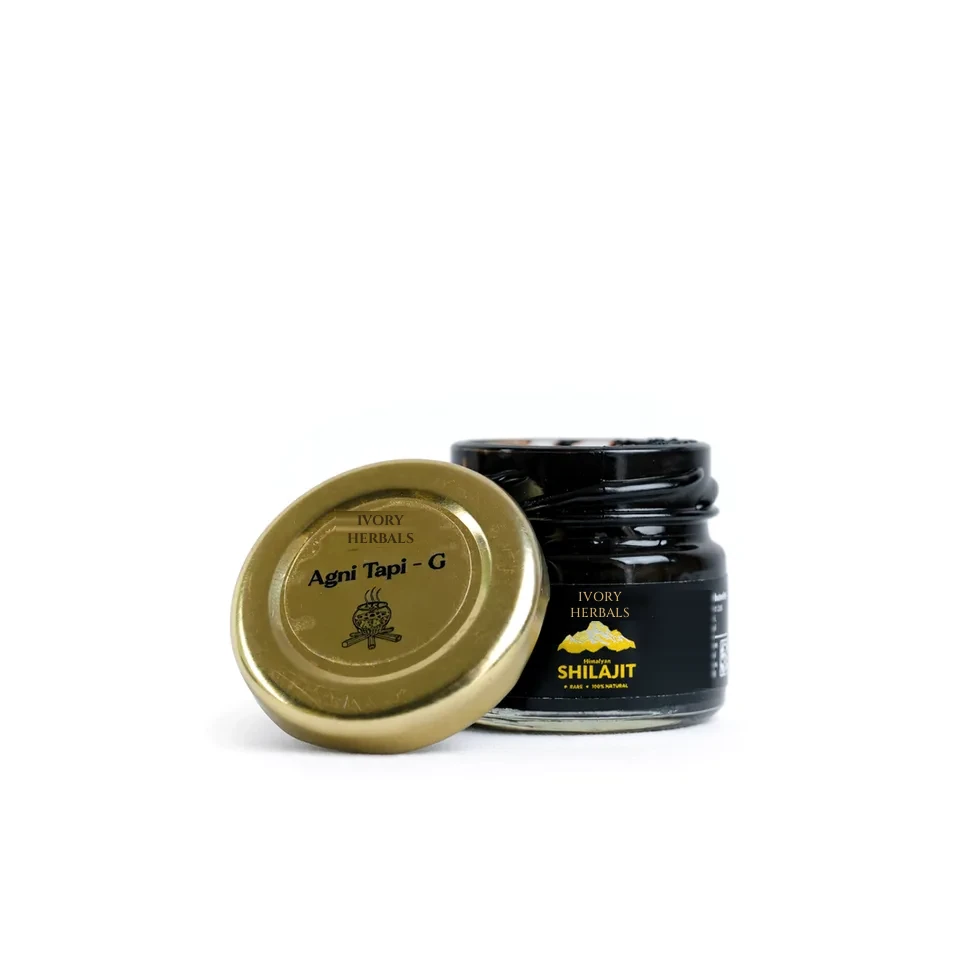
Pure shilajit resin
Himalayan Shilajit · Gold Grade
WholesaleBulkPrivate labelWhite label
Yes, shilajit is commonly sold in the United States, usually as a dietary supplement. That status comes with obligations: the product must be safe, made under current good manufacturing practices, labeled correctly, and marketed without disease claims. This checklist covers the main points retailers and brands review before selling shilajit; it is general information, not legal advice.
By the Ivory Herbals team · October 4, 2026 · 7 min read
In the U.S., most shilajit products are marketed as dietary supplements under the Dietary Supplement Health and Education Act of 1994 (DSHEA). Under that framework, the FDA does not approve supplements before they go on sale. Instead, the companies that manufacture and distribute them are responsible for making sure products are safe, properly labeled and not adulterated or misbranded.
The FDA can act against products that are unsafe, contaminated or marketed with unlawful claims, and the Federal Trade Commission (FTC) oversees advertising. State laws, such as California's Proposition 65, add requirements on top of federal rules. Retailers are not off the hook just because they did not make the product, so it pays to check what you stock.
Start with where and how the product is made. Dietary supplements are subject to FDA current good manufacturing practice regulations (21 CFR Part 111), which cover identity testing, quality control and record keeping.
A shilajit label sold as a dietary supplement needs the standard supplement label elements. If you buy private label product, your brand is on the label, so these details are your responsibility to approve.
Claims are where most shilajit sellers get into trouble. Dietary supplements may not claim to diagnose, treat, cure, mitigate or prevent any disease. Statements like that can turn a supplement into an unapproved drug in the eyes of regulators, regardless of what the label says elsewhere.
Supplements may carry structure/function claims, which describe a role a nutrient or ingredient plays in normal body structure or function. If you use one, DSHEA requires the disclaimer This statement has not been evaluated by the Food and Drug Administration. This product is not intended to diagnose, treat, cure, or prevent any disease, and the FDA must be notified within 30 days of first marketing the claim. The FTC also expects advertising claims, including on social media and product pages, to be supported by competent and reliable evidence.
If you sell into California, Proposition 65 may require a clear and reasonable warning when a product exposes consumers to listed chemicals, such as lead, above certain levels. Because shilajit is a mineral-rich natural material, sellers often review heavy metals results and serving sizes with a Prop 65 advisor to decide whether a warning is needed.
Prop 65 has its own thresholds, warning formats and exemptions, including for some small businesses. Requirements change over time, so treat this as a prompt to check, not as guidance on whether your product needs a warning.
Amazon treats dietary supplements as a regulated category with its own policy on top of the law. Sellers generally need compliant labels, must avoid prohibited claims, and must have products verified through an Amazon-approved third-party testing, inspection and certification (TIC) organization. Amazon has expanded these requirements over time, including cGMP verification, so check the current policy in Seller Central before you list.
We cover this in more detail in our guide to Amazon dietary supplement requirements.
Brick-and-mortar retailers, including smoke shops, convenience stores and health food stores, often stock shilajit alongside other wellness products. The same rules apply on the shelf as online: what staff say to customers, what shelf talkers print and what signage shows can all count as marketing.
Before you add a shilajit brand to your shelf, look at the physical package as a shopper would. Check that the label is in English, that the dietary supplement elements are present, that there is a lot number and best-by date, and that nothing on the package or display makes a disease claim. If a brand cannot provide a lab report or tell you who distributes it in the U.S., treat that as a reason to wait.
Ivory Herbals LLC, based in Dallas, Texas, supplies shilajit wholesale, private label and white label from Dallas, TX inventory, shipping U.S.-to-U.S. Our private label products are made in an ISO 22000 / GMP-certified partner facility, and lab reports for shilajit are available to approved wholesale buyers.
We can share documentation and label templates, but your brand remains responsible for its label and marketing claims. We recommend a regulatory review before launch. Quotes are returned within 48 business hours.
No dietary supplement is FDA approved before sale. Shilajit is typically sold as a dietary supplement, and the companies selling it are responsible for safety, GMP compliance and accurate labeling.
No. Dietary supplements may not make disease claims. Structure/function claims are permitted only with the DSHEA disclaimer, FDA notification and adequate substantiation. This is not legal advice.
It depends on the product's lead and other listed chemical exposure per day and on your business. Review your lab results with a Prop 65 advisor before selling into California.
Shilajit supplements are listed on Amazon, but sellers must follow Amazon's dietary supplement policy, including third-party TIC verification and label requirements. Check the current policy in Seller Central.
Create a business account in two minutes. Send inquiries right away; prices unlock once you are approved.