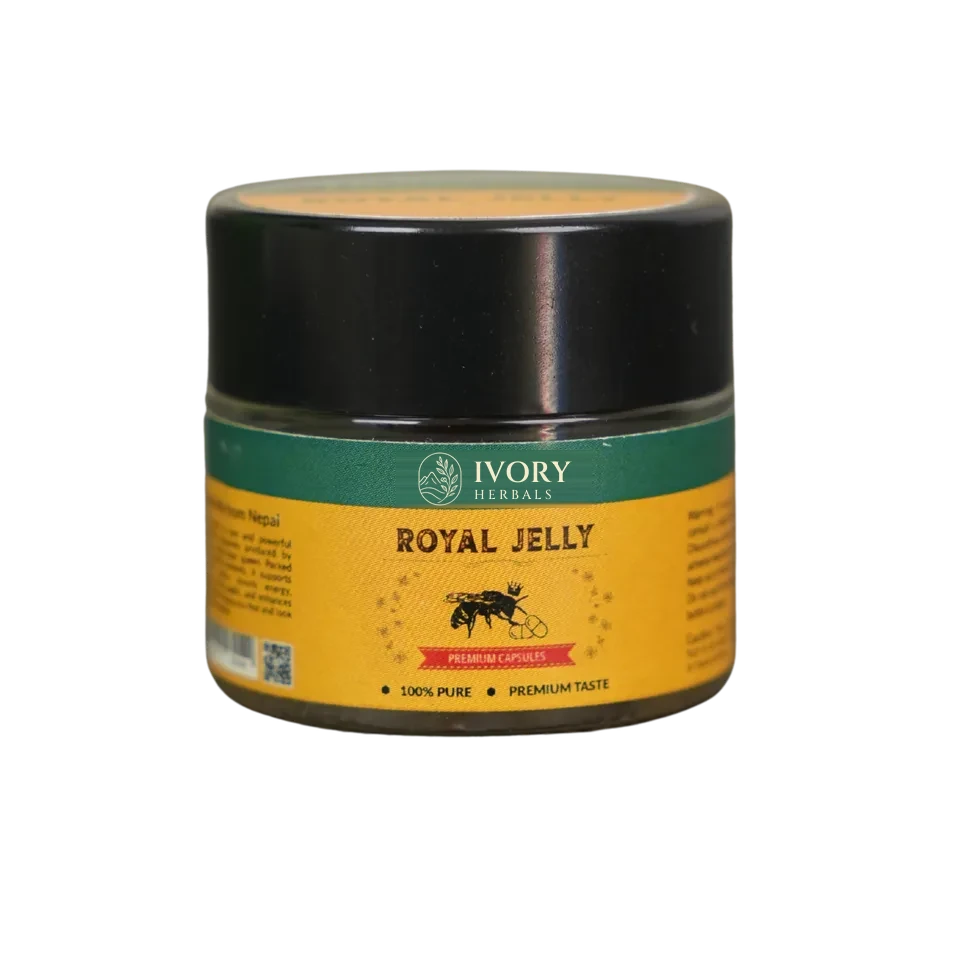
Cold-stored bee ingredient
Royal Jelly
WholesalePrivate label
Royal jelly is the most temperature-sensitive bee product a reseller will handle: fresh royal jelly is generally kept refrigerated or frozen, while bee pollen and propolis are more forgiving but still need cool, dry storage. All three can cause reactions in people sensitive to bee products, so clear cautionary labeling is good practice.
By the Ivory Herbals team · October 4, 2026 · 6 min read
Bee pollen, propolis and royal jelly are often sold together, but they behave very differently on the shelf. Treating them as one category in your warehouse can shorten shelf life and lead to returns.
Fresh royal jelly is commonly stored frozen for long-term holding and refrigerated for shorter periods. Warm temperatures can change its texture, color and freshness. If you resell fresh royal jelly, plan the whole chain: insulated shipping with cold packs, receiving that moves product straight into cold storage, and retail refrigeration.
Many resellers avoid this complexity by choosing freeze-dried royal jelly powder or capsules, which can be held at room temperature within the conditions stated by the manufacturer. Always follow the storage directions on the product and the spec sheet.
If you do carry fresh royal jelly, write down a simple cold-chain procedure: who receives chilled deliveries, how quickly they go into storage, what temperature the fridge or freezer is set to and how it is checked. Keep a basic temperature log and a plan for power outages. Label the retail pack clearly with "Keep refrigerated" or "Keep frozen" as appropriate, and tell customers at the point of sale so the product is stored correctly at home. A cold-chain failure is rarely visible on the outside of the jar, so documentation is your main protection.
Shelf life depends on format, packaging and storage conditions. The best-by date on a product assumes it has been stored as directed; a pallet that sat in a hot trailer may not reach that date with full quality. Ask your supplier for the stated shelf life of each format and the storage conditions it is based on.
Order quantities should reflect your sell-through rate, not just the best price break. A large order that ages on the shelf can cost more in markdowns than you saved on unit price. Many resellers start with a modest order, track how fast each format moves for a few months, then size reorders so stock turns well within its best-by date.
Bee products are not among the major food allergens listed under U.S. federal allergen labeling law, but they can cause allergic reactions in some people, including those with pollen or bee sting allergies and people with asthma. For that reason, many brands add a voluntary cautionary statement such as: "Contains bee products. Not suitable for people allergic to bee products or pollen."
Some other countries require specific royal jelly or bee pollen warnings, so check the rules for any market you export to. If your product contains milk, soy or another major allergen as an added ingredient, that must be declared. This is general information, not legal advice.
Bee products have a long history of traditional use, which tempts sellers to repeat strong claims online. Avoid saying that royal jelly, pollen or propolis treats, cures or prevents any disease, and keep any structure/function statement truthful, supported and paired with the DSHEA disclaimer when the product is sold as a supplement.
A simple receiving routine protects your margin on bee products and gives you traceability if a customer has a question.
The right format depends on where you sell. A natural grocery store with refrigerated cases can carry fresh royal jelly, while an online store shipping across the country in summer is usually better served by capsules or freeze-dried powder. Smoke shops, gift shops and pharmacies without cold storage tend to stick to shelf-stable formats.
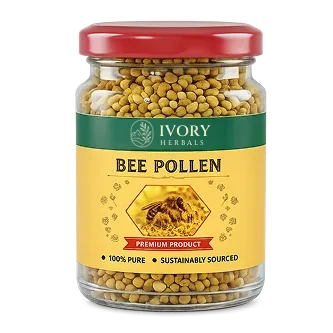
Bee pollen sells well in clear jars where customers can see the colorful granules, but clear packaging exposes the product to light, so keep displays away from windows and rotate stock frequently. Propolis tinctures and capsules are compact and stable, which makes them practical counter items.
If you plan to ship direct to consumers, test your packaging in warm weather before launch. Heat during transit is one of the most common causes of quality complaints for bee products, and a simple insulated mailer or a switch to a stable format can prevent most of them.
Ivory Herbals LLC, based in Dallas, Texas, supplies royal jelly, bee pollen and propolis from Dallas, TX inventory, shipping U.S.-to-U.S. Private label and white label bee products are available, made in an ISO 22000 / GMP-certified partner facility.
Ask for current formats and storage guidance when you request a quote; we reply within 48 business hours.
Fresh royal jelly is generally kept refrigerated or frozen. Freeze-dried powder and capsules are more stable; follow the storage directions on the product.
Bee products are not among the federally listed major allergens, but many brands add a voluntary caution for people allergic to bee products or pollen. This is not legal advice.
Keep it sealed in a cool, dry place. Many sellers recommend refrigeration after opening to protect texture and freshness.
Create a business account in two minutes. Send inquiries right away; prices unlock once you are approved.